Allhers
A women-owned marketplace needed a product redesign it could not pay for. I ran it through Ladies That UX Austin as a pro bono program — four teams, eight-plus volunteer designers, and a hard three-month stop.
The setup
Allhers is an Austin startup building a marketplace for women sellers — home goods, vintage, crafts. They needed a product redesign and had no budget for one.
I was President of Ladies That UX Austin at the time, running a chapter with 50+ attendees per event. A community that size has a standing problem: a lot of designers who want portfolio work and real collaborators, and relatively few opportunities that give them either. A pro bono redesign for a local startup solves both sides at once — if someone is willing to run it.
I took it on as UX Program Manager and Lead Designer: structuring the program, splitting the work across four teams of volunteers, and leading design direction so that what four groups produced in parallel still read as one product.
Leading people who do not have to show up
This is the part I would want to talk about in an interview, because it is the part that transfers.
Every volunteer on this had a day job. None of them reported to me, none were paid, and any of them could have stopped answering at any point with no consequence. The usual levers a design lead has — priorities, performance, headcount — did not exist. What was left was whether the work was interesting enough and organised enough to be worth someone’s Saturday.
That constraint forces a specific kind of leadership:
- Scope has to be sized to the person, not the project. A volunteer who can give four hours a week cannot own a flow that needs twelve. Mis-sizing someone’s piece is how you lose them, and losing a volunteer mid-project costs more than it would cost to lose an employee, because nobody is obligated to absorb the work.
- The brief has to do the work a manager usually does. With four teams running in parallel and no daily standup to correct drift, the written brief and the shared file structure are what hold the product together.
- Recognition is the compensation. People were there for portfolio work, so part of my job was making sure each person finished with something they could actually show and could honestly describe as theirs.
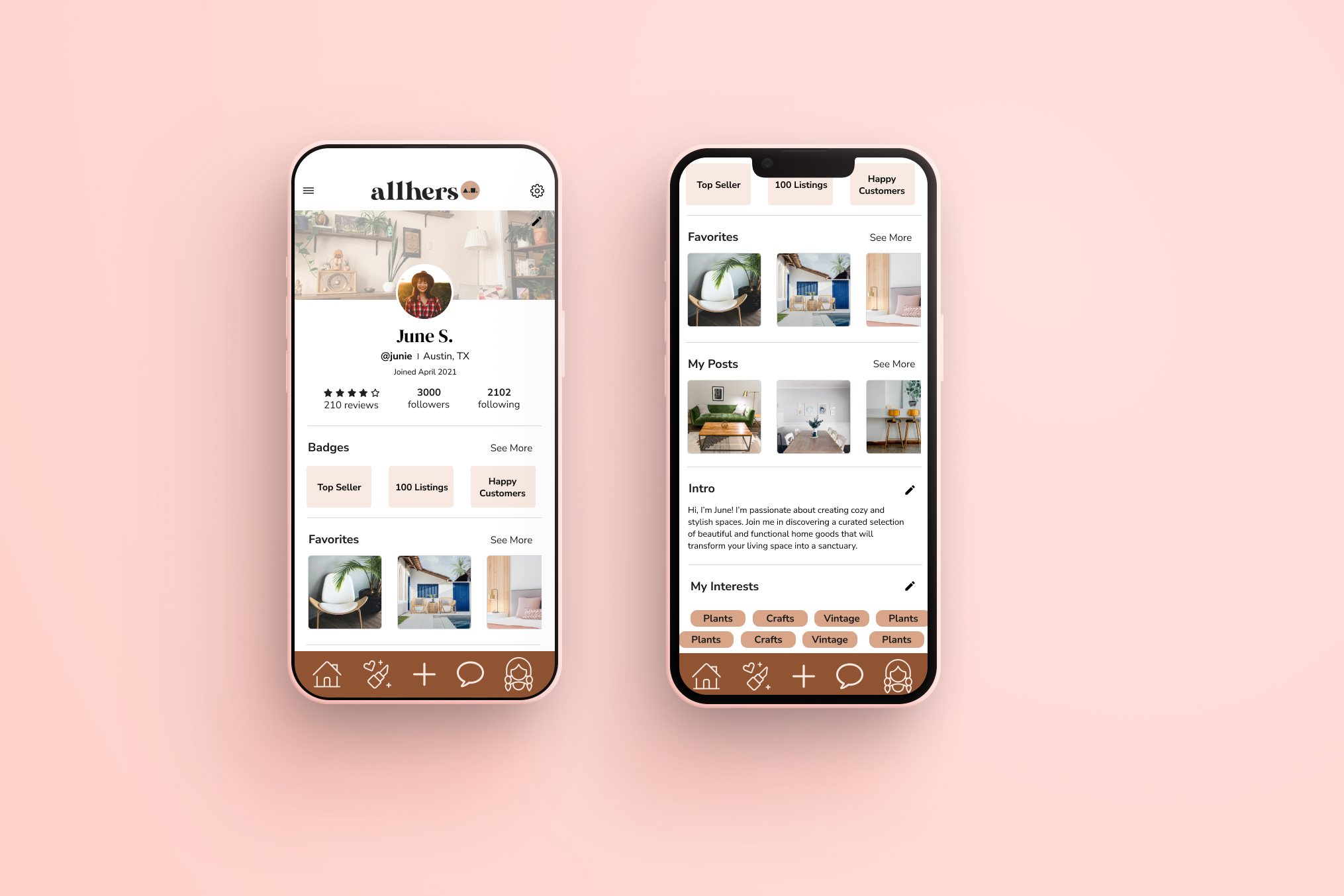
Keeping four teams making one product
Four groups working simultaneously on one product will produce four products unless something stops them. What stopped it was front-loading the decisions that cross team boundaries — component inventory, naming, and the shared file structure — and settling those before anyone designed a screen.
Design direction was mine, and critique was where it got enforced. Running critique with volunteers across mixed experience levels is different from running it with a staff team: a career-changer and a senior designer need different things from the same thirty minutes, and a critique that only serves the seniors quietly loses everyone else.
What I would tell you in an interview
I would rather be asked about this project than almost any other, because it is the cleanest evidence of leading without authority. Nobody on that team had to do anything I asked.
The transferable lesson is that structure is what you have when you cannot use pressure. A clear brief, correctly-sized scope, a shared file nobody has to guess at, and critique that is useful to the least experienced person in the room — those are what kept four teams aligned for three months. They work exactly as well on paid teams; most paid teams just get away with having less of them because they can fall back on obligation.